
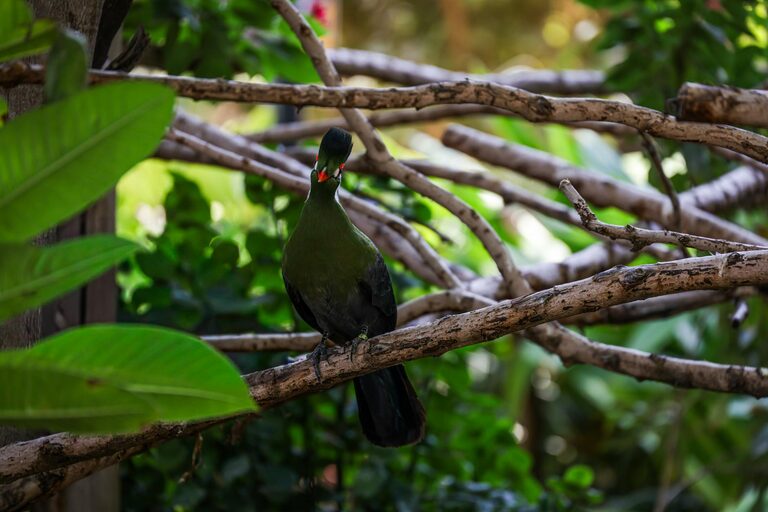
Birdwatching is a rewarding hobby that connects you with nature right in your own backyard. Whether you live in a city or the countryside, watching birds can be relaxing and educational for all ages. If you’re new to birdwatching, this guide will help you get started with simple tips to attract birds, identify different species, and enjoy your time outdoors.
Why Backyard Birdwatching?
Birdwatching doesn’t require expensive equipment or special skills—just patience and curiosity. It offers a peaceful way to observe wildlife, improves your knowledge of local ecosystems, and even helps reduce stress. Plus, it’s a hobby the whole family can enjoy together.
—
Setting Up Your Backyard for Birdwatching
1. Choose a Good Spot
To attract birds, find a quiet area where you can sit comfortably and watch without disturbing them. Near a window, on a porch, or under a tree with a clear view of your yard are excellent places. Having a consistent location helps birds get used to your presence.
2. Provide Food
Bird feeders are a great way to attract birds quickly. Here are some common options:
– Seed Feeders: Popular seeds include sunflower, nyjer, and millet.
– Suet Feeders: Suet offers energy especially in colder months. It attracts woodpeckers, nuthatches, and chickadees.
– Ground Feeders: Scatter seed on the ground for sparrows and doves.
– Fruit Feeders: Slices of apple or orange can bring in orioles, thrushes, and tanagers.
Place feeders in safe spots away from predators and close to natural cover like shrubs.
3. Fresh Water Source
Birds need water for drinking and bathing. Provide a shallow birdbath or a small fountain with moving water to attract more birds. Be sure to clean it regularly to keep the water fresh.
4. Create Shelter
Native trees, bushes, and shrubs offer birds protection from weather and predators. If you have limited space, consider planting bird-friendly vegetation or adding birdhouses.
—
Essential Gear for Beginners
You don’t need expensive gear to start birdwatching, but some basic items are helpful:
– Binoculars: A compact, lightweight pair with 7x to 10x magnification is ideal.
– Field Guide or App: Use books or smartphone apps to identify species by appearance, sounds, and behaviors.
– Notebook and Pen: Keep a journal of your sightings, including dates, locations, and bird details.
– Camera (optional): Capture photos to help with identification or keep memories.
—
Tips for Watching and Identifying Birds
1. Be Patient and Quiet
Birds are easily startled. Move slowly and avoid loud noises. Watching for longer periods increases your chances of seeing a variety of species.
2. Learn Bird Behavior
Understanding common bird behaviors—like feeding, singing, or flying—can help you identify species. Pay attention to colors, sizes, beaks, and patterns.
3. Use All Your Senses
Bird songs and calls are a helpful identification tool. Try to learn some local bird sounds using apps or audio guides.
4. Keep a Birdwatching Journal
Recording what you see and where helps track your progress and makes the hobby more rewarding. Note details such as the bird’s colors, size, and actions.
—
Seasonal Considerations
Bird activity varies with seasons:
– Spring and Summer: Many birds breed and are most active and colorful.
– Fall: Watch for migratory birds passing through.
– Winter: Feeders and water are especially valuable when natural food and water sources are scarce.
Adjust your feeding and observation times accordingly.
—
Common Birds to Expect in Your Backyard
Depending on your location, you might see:
– Sparrows
– Robins
– Blue Jays
– Cardinals
– Chickadees
– Woodpeckers
– Finches
– Doves
Research local bird species to learn who might visit your yard.
—
Birdwatching Etiquette
– Respect wildlife by observing from a distance.
– Avoid disturbing nests or young birds.
– Keep feeders clean to prevent disease.
– Share your sightings with local birdwatching groups or apps.
—
Final Thoughts
Backyard birdwatching is a wonderful way to connect with nature while enjoying your own outdoor space. Starting small with a feeder and a few simple tools can open your eyes to the fascinating world of birds around you. With time, patience, and observation, you’ll find this hobby both peaceful and engaging.
So grab your binoculars and step outside—the birds are waiting!